Managing a rental property is demanding when you live down the street. When you are managing it from a different time zone, a different state, or even thousands of miles away, the logistical hurdles multiply. The Washington, D.C., Maryland, and Virginia (DMV) real estate market is highly lucrative, but it is also one of the most complex regulatory landscapes in the country.
For out-of-state landlords, the challenge is maintaining profitability and protecting your asset without letting real estate property management become a chaotic, stressful second job.
Succeeding as a remote landlord in the DMV requires shifting from a hands-on fixer to a systems-oriented CEO. The following strategic steps will help you run a tight, compliant, and highly profitable remote rental operation.
Master the Local Legal Fragmentation
The DMV is not a single real estate market. It is a collection of three distinct legal jurisdictions packed into a relatively small geographic footprint. Assuming that a lease or eviction process that works in Northern Virginia will fly in Washington, D.C., is a fast track to costly legal trouble.
Washington, D.C.
The District is one of the most tenant-friendly jurisdictions in the United States. Landlords must navigate the Rental Housing Act, secure a Basic Business License (BBL), and register the property with the Rental Accommodations Division (RAD). Furthermore, D.C. has strict Tenant Opportunity to Purchase Act (TOPA) guidelines, which complicate the process of selling a tenant-occupied property.
Maryland
Maryland relies heavily on county-level enforcement. For instance, Montgomery County and Prince George’s County have distinct licensing mandates, mandatory radon testing protocols, and specialized landlord-tenant commissions. Security deposit interest rates and landlord access notices are heavily scrutinized here.
Virginia
Virginia is generally considered more balanced and landlord-friendly, governed by the Virginia Residential Landlord and Tenant Act (VRLTA). However, local municipalities in Alexandria, Arlington, and Fairfax still maintain rigid requirements regarding building codes, occupancy limits, and property maintenance standards.
As a remote landlord, you cannot afford to guess. If you do not have the time to track ongoing legislative shifts in these specific counties and municipalities, you risk severe financial penalties and voided lease agreements.
Treat Tenant Screening as Risk Mitigation
When you are an out-of-state landlord, a bad tenant is significantly more expensive to manage. You cannot easily drive by the property to inspect lease violations or show up at court for an eviction hearing without incurring massive travel expenses. Your screening process must be airtight from the start.
Establish a rigid, non-negotiable screening matrix that complies fully with Fair Housing laws while protecting your investment:
- Income Verification: Look for a verified gross income that is at least three times the monthly rent. Request pay stubs, W-2 forms, or verified tax returns rather than relying on bank statements alone.
- Credit and Background Checks: Focus on payment history and look for any past eviction filings. A history of consistent utility and rental payments is a strong indicator of financial reliability.
- Direct Reference Checks: Speak directly with the previous two landlords. Ask specific, objective questions: Did the tenant pay rent on time? Was the security deposit returned in full? Would you rent to them again?
By doing the heavy lifting during the application phase, you drastically reduce the likelihood of dealing with non-payment or property damage from afar.
Build a Trusted Boots-on-the-Ground Network
You cannot manage a physical asset entirely through a smartphone screen. Eventually, a pipe will burst in the middle of the night, a tenant will lock themselves out, or the HVAC system will fail during a humid DMV summer.
Attempting to find a random contractor on Yelp while sitting in a different state during an emergency is incredibly stressful and usually results in overpaying for substandard work. You need a pre-vetted network of local professionals who are ready to respond at a moment’s notice.
Your local network should ideally include:
- A licensed, insured HVAC technician.
- A reliable, 24/7 emergency plumber.
- A general handyman for routine repairs and turnover tasks.
- A trusted local contact, such as a neighbor or real estate colleague, who can physically walk the property in an absolute emergency.
Keep these contacts organized, ensure they are willing to work with remote payment systems, and establish clear authorization limits for repairs so they can act quickly without waiting for you to wake up in a different time zone.
Digitalize Every Operational Touchpoint
To manage a property efficiently from afar, you must eliminate paper, snail mail, and physical checks. Moving your entire operational structure to secure digital platforms ensures transparency and creates a clear, undeniable paper trail for both you and your tenants.
Online Rent Collection
Stop allowing tenants to mail physical checks. Use a dedicated online portal that supports automated clearing house (ACH) payments. This ensures funds hit your account faster, eliminates the “check is in the mail” excuse, and automatically tracks late fees based on the terms of your lease.
Digital Maintenance Requests
Require tenants to submit all non-emergency repair requests through an online system, complete with photos or video descriptions. This allows you to accurately assess the issue, forward the details to your local contractor, and keep a historical log of all work completed on the home.
Electronic Document Storage
Lease agreements, move-in inspection reports, property insurance policies, and local licenses should be safely stored in a secure cloud environment. Both you and your tenant should have immediate access to the executed lease at all times.
Implement Rigorous Routine Inspections
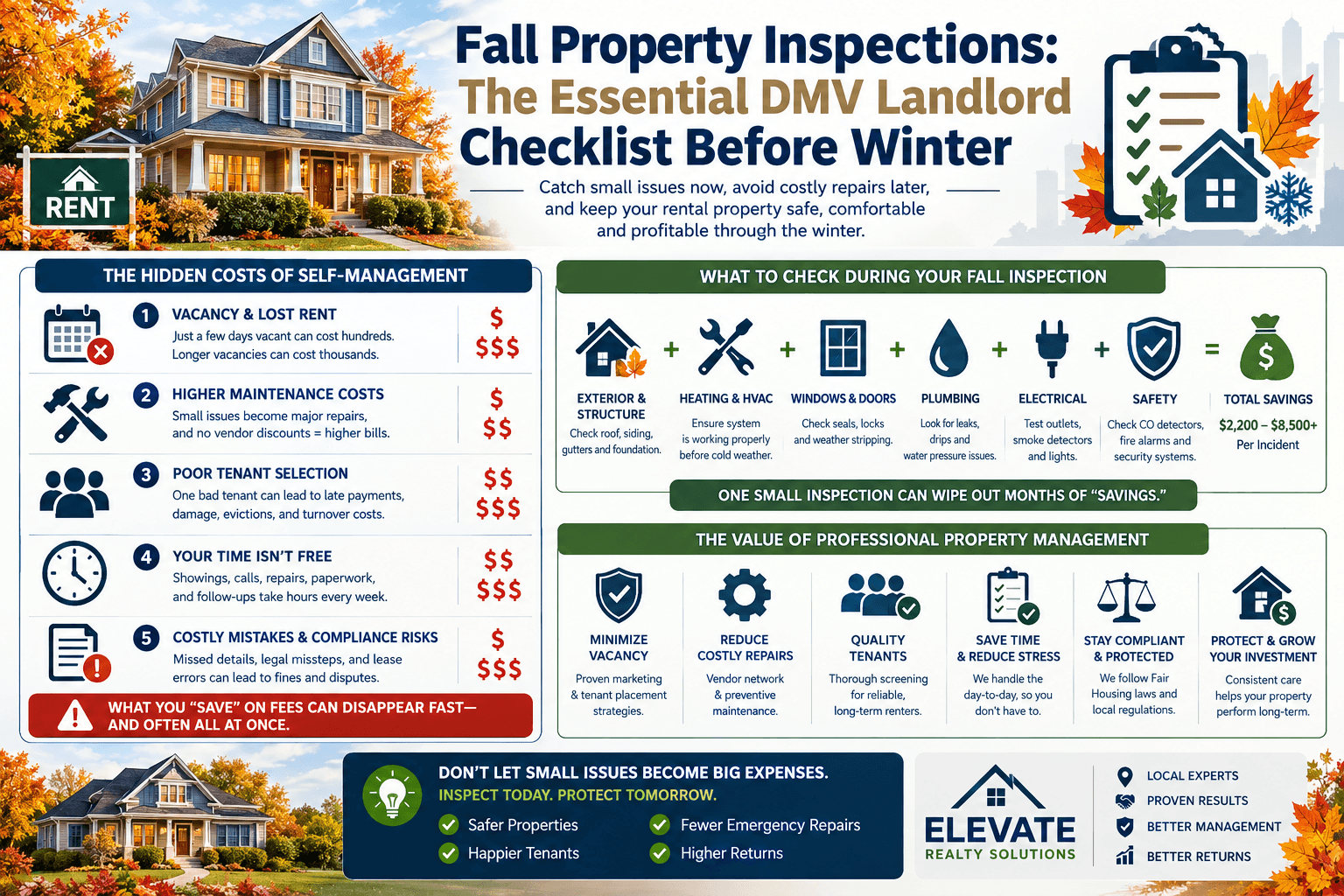
Out of sight should never mean out of mind. Allowing a property to go uninspected for years is an invitation for minor maintenance issues to evolve into catastrophic structural damage. Long-term tenants may ignore small roof leaks, failing caulking, or slow plumbing drips, which can slowly destroy your subfloors and drywall.
Since you cannot physically perform these walk-throughs yourself, you have two sustainable options:
- Hire an Inspection Service: Pay a local real estate professional or a dedicated home inspector to perform a comprehensive biannual assessment of the property, providing you with a detailed report and photographic evidence of the home’s condition.
- Utilize Virtual Tenant Walk-Throughs: Schedule an annual virtual check-in where the tenant guides you through the property via video call, allowing you to check major systems, under-sink plumbing, and smoke detector functionality.
Regular inspections show your tenants that you care about the condition of the home, which often encourages them to take better care of the space themselves.
The Ultimate Remote Solution: Professional Property Management
When you add up the time spent tracking local legal updates, organizing emergency contractors, chasing late rent payments, and managing turnovers, remote landlording quickly transforms from passive income into a stressful career.
For many out-of-state investors, the smartest financial decision is partnering with a dedicated local property management company. A professional team on the ground in the DMV takes the entire operational burden off your shoulders. They bring deep local legal expertise, established relationships with affordable contractors, and automated systems that maximize your return on investment while keeping you entirely hands-off.
If you want to protect your DMV asset, ensure total legal compliance, and enjoy true passive income without the midnight phone calls, contact Elevate Realty Solutions today. Let us show you how we streamline operations for out-of-state landlords just like you.