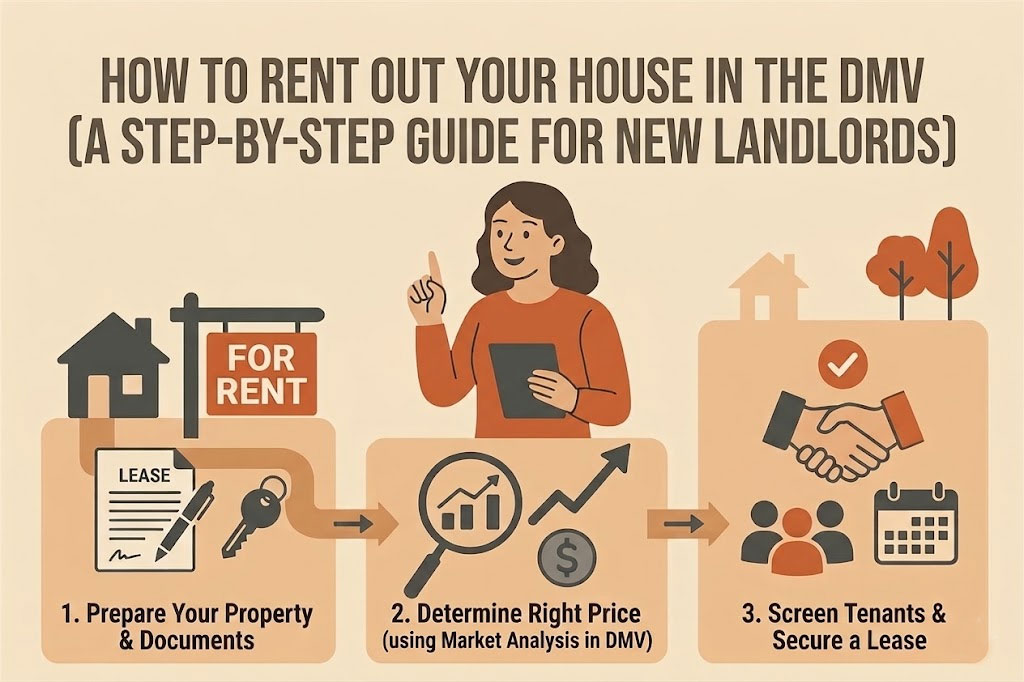
Renting out a home in the DMV can be a smart financial move, especially if you are relocating, upgrading to a new property, or looking to build long-term income through real estate. But becoming a landlord for the first time is rarely as simple as listing your property online and waiting for applications to come in.
The DMV rental market moves fast, but it is also highly competitive. Tenants have options, local regulations can be strict, and one bad decision early on can create expensive problems later. The good news is that with the right preparation, you can avoid most of the common mistakes new landlords make.
This guide walks through the essential steps to help you rent out your house with confidence while protecting your investment and attracting quality tenants.
Understand the Local Rental Market Before You List
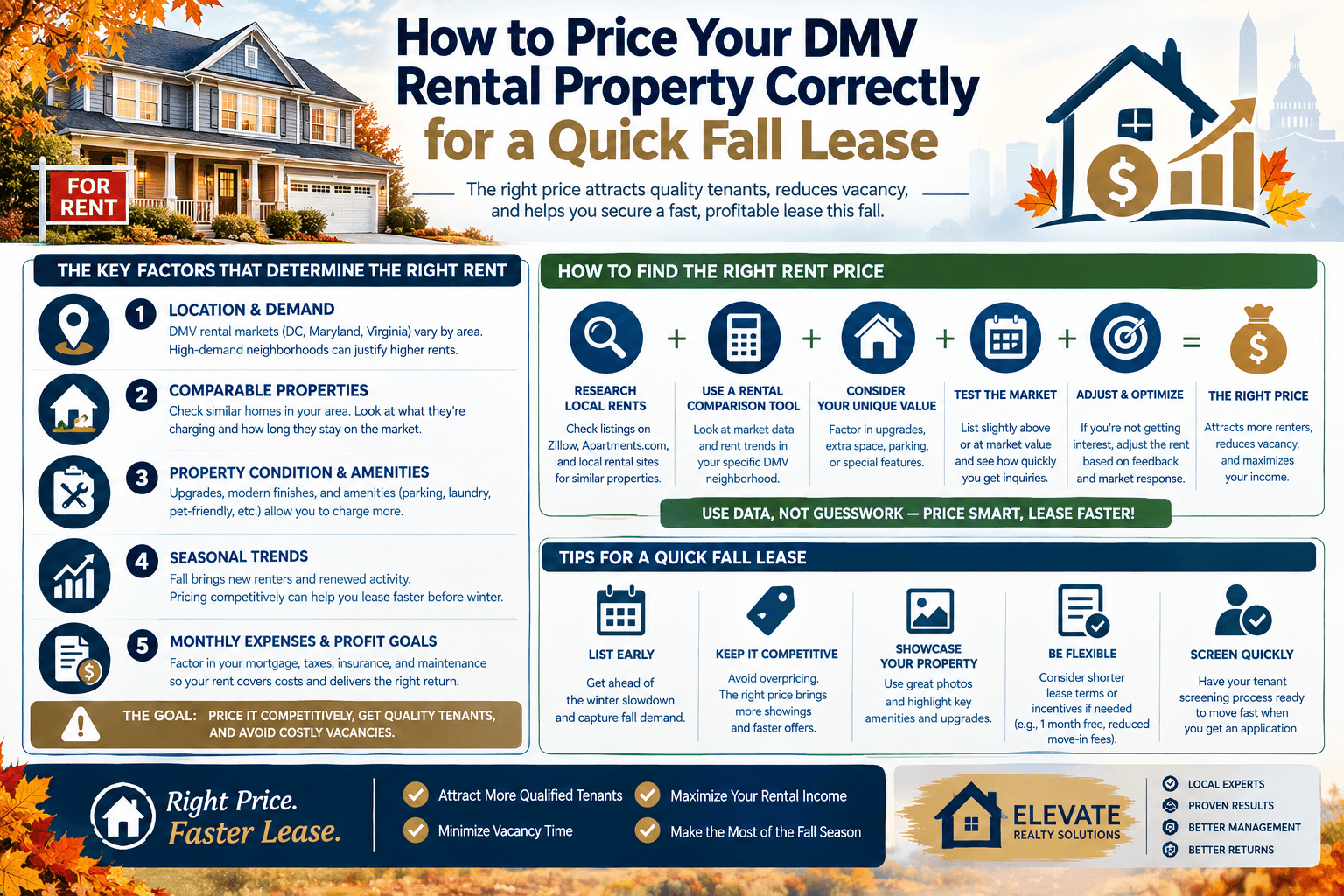
One of the biggest mistakes first-time landlords make is pricing a property based on guesswork or emotional value rather than actual market conditions.
A home that is priced too high will sit on the market longer, while a home priced too low can cost you thousands in lost income over the course of a lease.
Before listing your property, spend time researching:
- Rental prices for similar homes in your neighborhood
- Average time rental listings stay active
- Features tenants are actively looking for
- Seasonal demand trends in your area
The DMV market can vary dramatically from one neighborhood to another. A townhouse near a Metro station in Northern Virginia may attract a completely different renter profile than a single-family home in suburban Maryland.
Pay attention to details that influence demand, including parking availability, school districts, commute access, updated kitchens, outdoor space, and pet policies.
Prepare Your Property Like a Professional Rental
A clean home is not the same thing as a rent-ready home.
Tenants today expect properties to feel maintained, functional, and professionally presented. Even in a strong market, renters are quick to move past listings that look neglected or outdated.
Before marketing the property, focus on the essentials:
Handle Repairs Before Tenants See Them
Walk through the property as if you were the renter.
Fix leaking faucets, damaged flooring, loose handles, chipped paint, squeaky doors, broken blinds, and anything that signals poor maintenance. Small cosmetic issues may seem minor to an owner, but they can create doubt in a renter’s mind about how the property has been cared for overall.
Deep Clean Everything
Professional cleaning is worth the investment.
Pay close attention to kitchens, bathrooms, windows, baseboards, appliances, and carpets. Odors are another major issue that can immediately turn away potential tenants.
Think About Long-Term Durability
If you plan to keep the property as a rental long term, choose materials and finishes that can handle wear over time. Durable flooring, washable paint, and low-maintenance landscaping can reduce future repair costs.
Make Sure You Understand Local Landlord Requirements
Landlord responsibilities in the DMV are not identical across every county or city. Regulations can vary depending on where the property is located.
Before listing your home, make sure you understand:
- Rental licensing requirements
- Inspection rules
- Fair housing laws
- Security deposit regulations
- Notice requirements for lease termination
- Local occupancy rules
Skipping legal requirements can create serious problems later, especially if a dispute arises with a tenant.
If you are unsure about compliance requirements, working with a local real estate professional or property manager can help you avoid costly mistakes.
Create a Listing That Actually Attracts Good Tenants
Strong tenant screening services do more than fill vacancies quickly. They help attract higher-quality tenants from the beginning.
A rushed listing with dark photos and vague descriptions can lower the perceived value of your property, even if the home itself is in great condition.
Use High-Quality Photos
Photos are usually the first thing renters notice.
Take pictures during the daytime with natural lighting and clean staging. Highlight the spaces tenants care about most, including:
- Kitchen
- Living room
- Primary bedroom
- Bathrooms
- Backyard or outdoor space
- Parking areas
- Storage areas
Avoid over-editing images. Tenants want an accurate representation of the property.
Write Clear and Honest Descriptions
Focus on practical value rather than exaggerated marketing language.
Instead of saying “beautiful home,” explain what makes the property useful or appealing. Mention features like:
- Updated appliances
- Walkability
- Metro access
- Home office space
- Fenced yard
- Included utilities
- In-unit laundry
Clear communication upfront often leads to smoother tenant relationships later.
Screen Tenants Carefully Without Rushing the Process
Finding a tenant quickly is important, but finding the right tenant matters more.
A bad tenant can create months of stress, missed rent payments, property damage, and legal headaches. Proper screening reduces risk significantly.
Verify Income and Employment
Most landlords look for tenants whose monthly income is at least three times the rent amount.
Request recent pay stubs, employment verification, or other proof of income when reviewing applications.
Run Background and Credit Checks
Credit history can provide insight into payment habits and financial reliability.
Background checks may also reveal prior evictions or other issues that could impact tenancy.
Contact Previous Landlords
Speaking with previous landlords can often tell you more than an application alone.
Ask simple but important questions:
- Did the tenant pay on time?
- Was the property maintained well?
- Were there complaints from neighbors?
- Would you rent to them again?
Consistency matters during screening. Make sure your process follows fair housing laws and applies the same standards to every applicant.
Use a Strong Lease Agreement
A verbal agreement is never enough when renting out a property.
Your lease should clearly define expectations for both parties and protect everyone involved.
A strong lease typically includes:
- Monthly rent amount
- Due dates and late fees
- Security deposit terms
- Maintenance responsibilities
- Pet policies
- Lease duration
- Rules regarding property use
- Procedures for repairs and emergencies
The more clearly expectations are outlined upfront, the fewer misunderstandings you are likely to deal with later.
If possible, use a lease agreement reviewed by a local real estate property management or experienced property professional familiar with DMV regulations.
Decide How You Will Handle Property Management
Many first-time landlords underestimate how much time rental management can require.
Even a single property involves ongoing responsibilities, including:
- Rent collection
- Maintenance coordination
- Tenant communication
- Lease renewals
- Emergency calls
- Inspections
- Accounting and record keeping
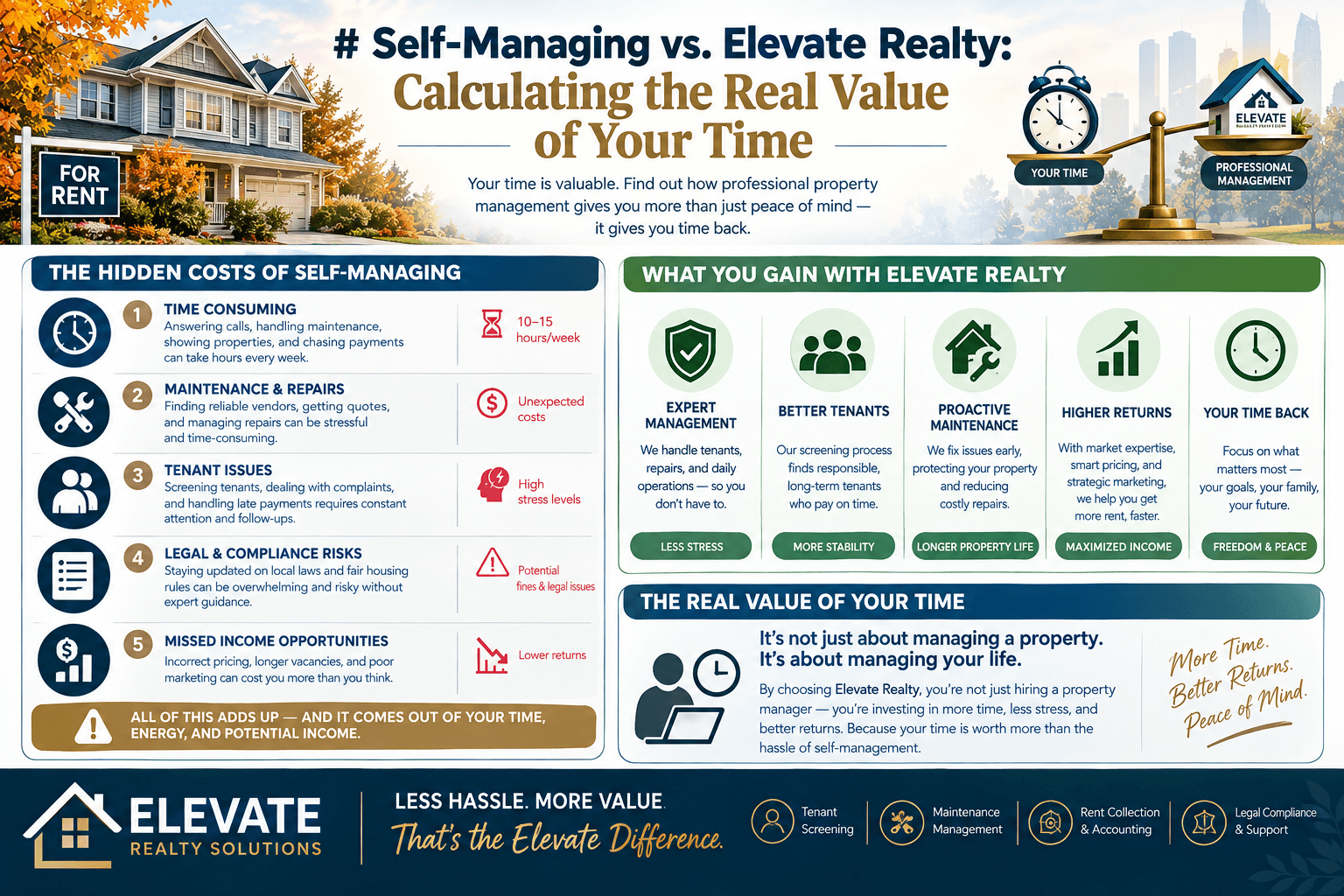
Some landlords prefer managing properties themselves, especially if they live nearby and have flexible schedules. Others choose to work with a professional property management company to reduce day-to-day stress.
There is no single right answer. The best option depends on your availability, experience, and long-term investment goals.
Keep Communication Professional From Day One
The landlord-tenant relationship works best when communication is clear, respectful, and professional.
Respond to maintenance requests promptly, document important conversations, and avoid informal arrangements that are not reflected in the lease.
Professionalism builds trust and often encourages tenants to treat the property with greater respect.
It is also smart to keep detailed records of:
- Signed documents
- Inspection reports
- Repair receipts
- Rent payments
- Email communication
Good documentation protects both you and the tenant if disagreements ever arise.
Final Thoughts
Renting out your house in the DMV can be a rewarding opportunity when handled correctly. The key is treating the property like a business from the beginning rather than making decisions emotionally or reactively.
Preparation, pricing, tenant screening, and strong communication all play a major role in long-term success as a landlord.
For first-time landlords especially, taking the time to build the right systems upfront can make the difference between a stressful experience and a profitable investment that continues delivering value for years to come.
Thinking About Renting Out Your Home?
The DMV rental market moves fast, and the right approach can save you from expensive mistakes later. If you want help pricing your home, finding qualified tenants, or figuring out the next steps as a landlord, Elevate Realty Solutions is here to help. Reach out today and get real guidance tailored to your property and local market.